

THE BIRD FEEDER
“Before I left for college, I built it for him, knowing he had a favorite window where he liked to watch the birds come and go.”

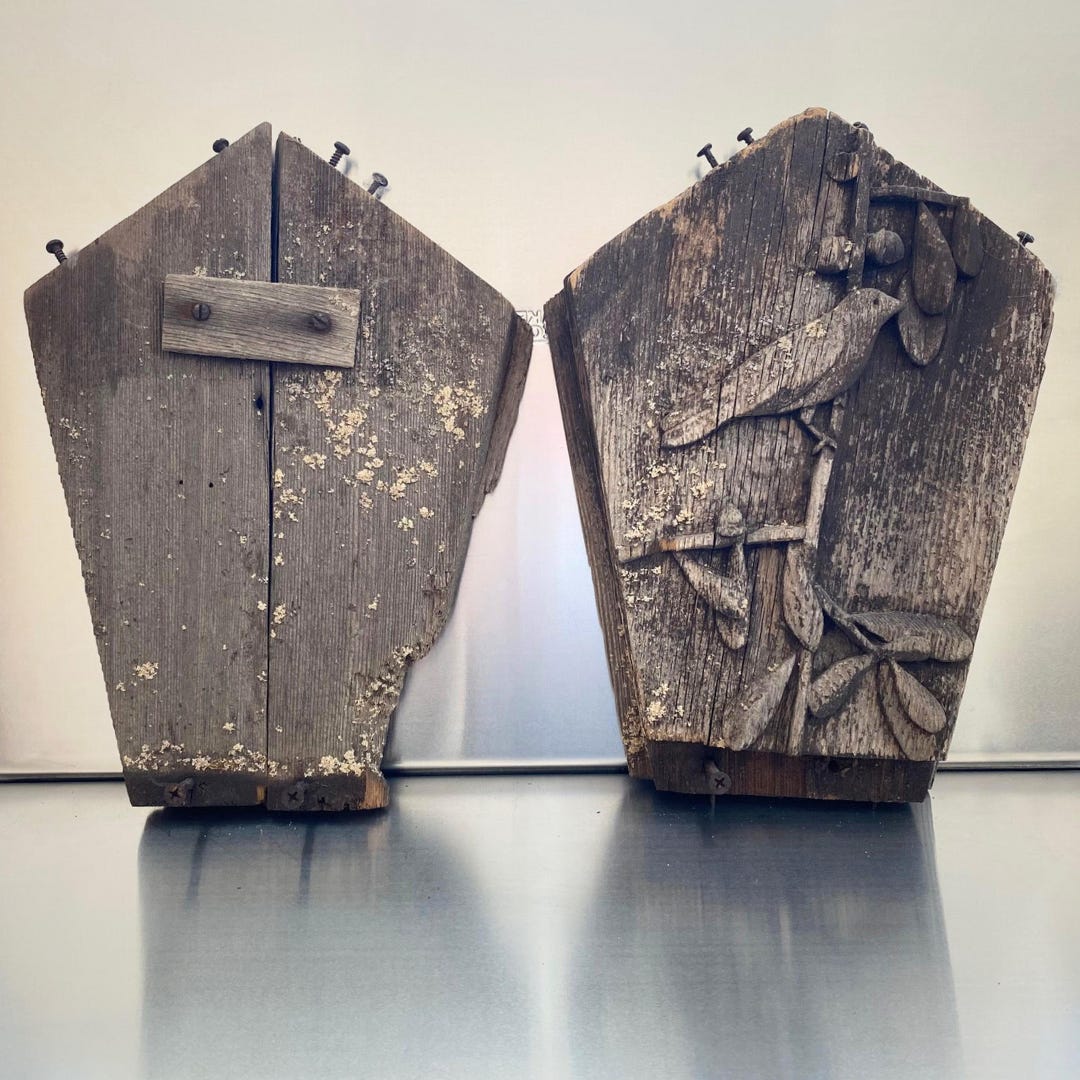
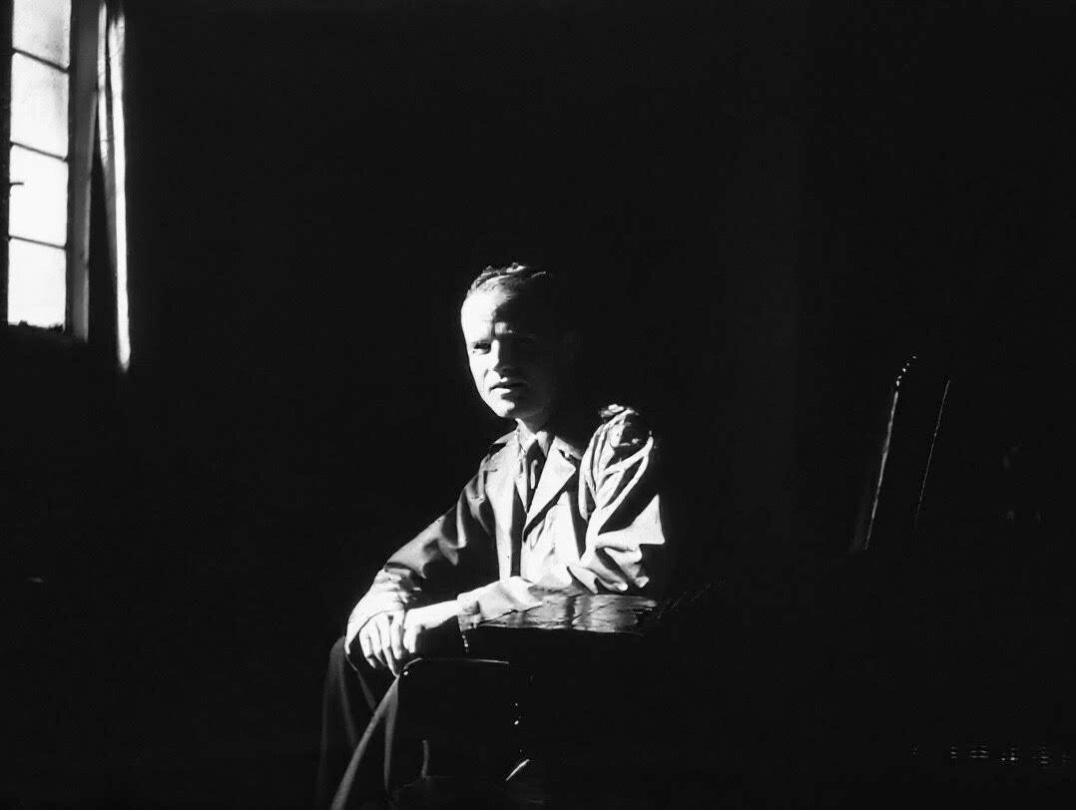
My dad was born in 1913 and grew up in Kankakee, Illinois. His father, a pharmacist, owned a drugstore where Dad worked as a soda jerk. He told stories about desperate men—hobos, I supposed—who came into the store looking for fixes and cures and alcohol, any kind of alcohol. In summer he swam back and forth across the Kankakee River; in winter he skated across it. When I was a kid, he lived in my mind as a kind of Huck Finn. He had a dog named Muggins. He built wooden sailboats and balsa-wood gliders. The outdoors, stargazing, boys’ military camp—he loved it all.
He was keen on architecture and photography and the saxophone, and he dreamed of sailing around the world. In the end, though, he chose a safer path, earning a degree in business from the University of Illinois and taking a job in a bank. His college ROTC experience prepared him for the army, and in World War II he served in England in the Quartermaster Corps, supporting the troops who landed in France on D-Day. For the rest of his life he spoke of his military days with great fondness.
Shortly before the war he’d married my mom, and in 1946 they started a family. Dad went back to banking and raised my three older brothers and me far from the life he’d dreamed of. No sailboats, no epic travel adventures, just an arduous daily 45-mile commute to downtown Chicago, then back home where cocktail hour awaited. One, two, maybe three drinks, dinner, bed and repeat. He never seemed unhappy, exactly, but he rarely seemed truly content despite the prosperous life he’d built for us all.
Dad and I were not close. I came of age in the 1960s, and the times—and our stubborness—drove a wedge between us. He was a critical, right-of-center, regimented believer in tough love who easily got hot under the collar once my hair went over the collar. There were many arguments and shouting matches. But mostly I avoided him, especially during “happy” hour. I didn’t get how the guy who loved Dixieland jazz, who now and again joyfully played “Every little breeze seems to whisper Louise” on his saxophone, who gave pockets of change to the town drunk whenever he passed by—how was he so closed-minded and hard to please?
And yet I wanted to please him. Before I left for college, I built him this bird feeder, knowing he had a favorite window where he liked to watch the birds come and go. Though I was hardly a woodworker, I was handy and creative and had watched Dad build many things. I made the feeder in the basement, out of cedar, with hand tools. Two sides were glass so you could see the seed level—the wood sides had slots to hold the glass in place—and the pitched roof opened for refilling. It was based on a feeder Dad had made, but I embellished mine with an original hand-carved design. I don’t recall Dad’s reaction when I gave it to him.
Eventually I flew the coop for good. As the years went by, I saw Dad less and less. The last time, I was 49 and he was 89, in the hospital and very weak. That was the day he told me—softly, his voice struggling—“I love you.” And then: “You’ve been a good boy.” Words I don’t remember ever having heard from him. Words I’ll never forget. He died soon after, in the hospital, alone. I was still crushed a year later as we got ready to sell the family home. Going through everything in that house was dispiriting and draining. At some point, needing a break, I sat down in Dad’s old chair, glanced out the window—and beheld my handmade bird feeder.
It was sorely weathered and fragile-looking and much the worse for wear, but there it was, still standing on the pole I’d driven into the ground thirty years earlier. He had kept it all those years, right where I’d put it, right where he could see it every single day. And when it needed repair, as it obviously had, he had, with his own hands, repaired it—carefully, appreciatively, maybe even tenderly. The patches were there in plain view, as was my father’s love. Sometimes you have to be looking through tears to see things right.
—Stephen Rueckert
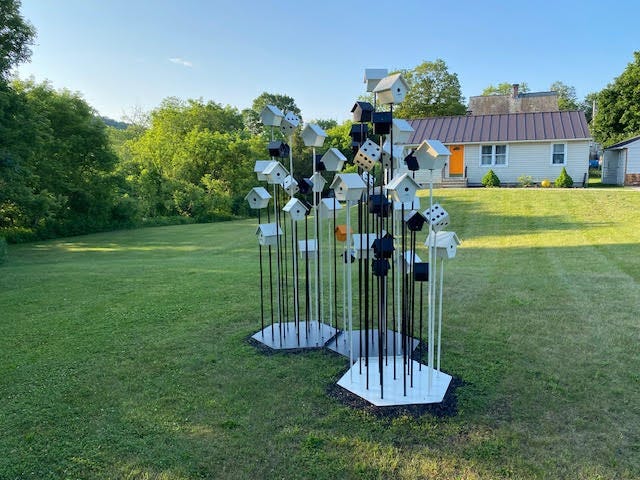
Stephen Rueckert is a visual artist whose interests span all things natural, scientific, ever-present, everlasting and unexplained.
For a different reading experience, The Keepthings’ stories can also be read in their entirety on Instagram @TheKeepthings.
Have a story to share? See the complete submission guidelines, including photo guidelines, at TheKeepthings.com.
The workbench at 1001 Myrtle was a productive spot for your dad and mine to hone their skills. Those genes run right through to you. I love the story, the beautiful carving and connection it made with your dad although unsaid. May I add that I’m writing this while looking out on the bird feeder my dad made for me and my husband has repaired numerous times retaining its original look. Dad always used salvaged wood and metal for everything. A true Rueckert creed started on Nana’s workbench.
Hugs and yes the tears are flowing.
even though I know the story, at the last words,
tears....